

What to Do When a Client Ignores Your Unpaid Invoice
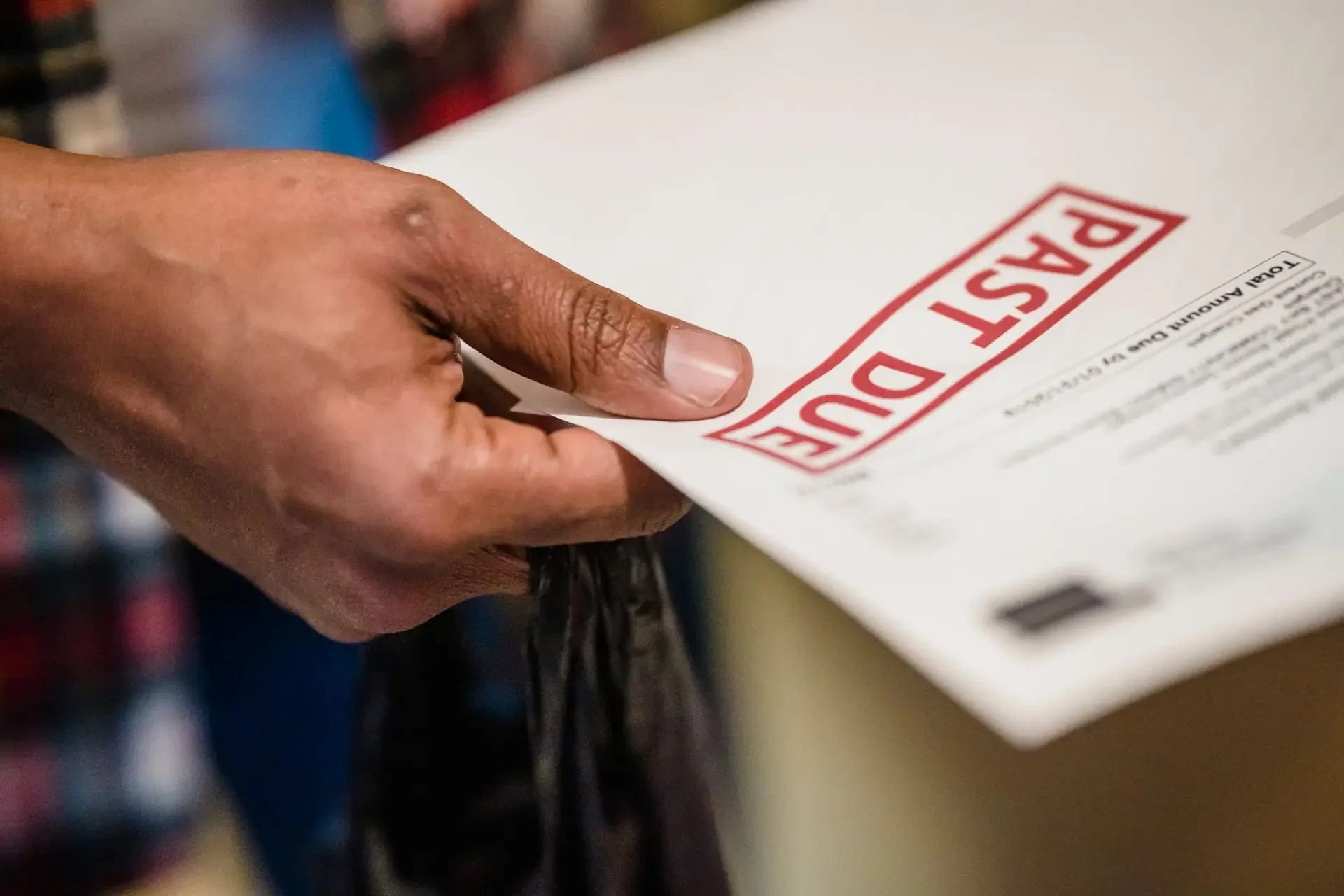
You did the work. You delivered the project. You sent the invoice.
Then came the polite follow-ups, the “just checking in” emails, the friendly reminders, and maybe even a final notice. Still nothing.
When a client ignores an unpaid invoice, the problem is usually no longer communication. It is leverage.
At a certain point, another email does not change the situation. The client has already learned that your reminders can be delayed, ignored, or pushed to the bottom of their inbox.
That does not mean you need to jump straight into a lawsuit. But it may mean the conversation needs to move from casual follow-up to formal demand.
The Problem With Another “Friendly Reminder”
Freelancers, contractors, consultants, agencies, vendors, and small businesses often hesitate to escalate unpaid invoices. That makes sense. You may want to preserve the relationship, avoid sounding aggressive, or keep the door open for future work.
But an unpaid invoice that sits for weeks or months does not preserve the relationship. It teaches the other side that payment can wait.
If a client has ignored your emails, missed payment dates, or made repeated promises without paying, the issue is not that they need one more reminder. The issue is that they have not been given a reason to treat the invoice as urgent.
Why Unpaid Invoices Often Stay Unpaid
1. The request still feels optional.
A personal email can be easy to ignore, especially when it sounds like every previous follow-up. Even if the amount is valid, the message may still feel like a request rather than a formal demand.
2. There is no clear deadline.
Many invoice follow-ups ask for payment “as soon as possible.” That gives the client room to delay. A formal demand sets a specific deadline and makes the next step clear.
3. The paper trail is weak.
If everything has happened through casual email, the client may later claim they missed the message, misunderstood the demand, or never received a formal notice.
A strong unpaid-invoice demand letter puts the amount owed, the basis for payment, the deadline, and the consequence of continued nonpayment into one controlled, documented notice.
You already followed up. Now make it formal.
What a Demand Letter Does Differently
A demand letter for an unpaid invoice is not about sounding angry. It is about making the dispute harder to dismiss.
Instead of sending another message from your personal inbox, a formal demand presents the issue in a structured way: what work was performed, what agreement existed, what amount remains unpaid, what deadlines have already passed, and what must happen next.
That shift matters. It shows the client that the issue has moved beyond normal back-and-forth and is now being formally documented.
What to Gather Before You Escalate
Before sending a formal demand, gather the facts that support your claim. You do not need to write like a lawyer. You need a clean record of what happened.
Useful materials include the unpaid invoice, the contract or written agreement, emails or messages approving the work, proof that the work was delivered, payment history, prior follow-ups, and the client’s correct business name and mailing address.
The cleaner the record, the stronger the demand.
A demand letter should make the dispute simple to understand: what was promised, what was delivered, what is owed, and what deadline applies now.
The Step Before Collections or Court
When an invoice goes unpaid, it is easy to feel stuck between doing nothing and hiring a litigation attorney.
Most business owners do not want a long, expensive legal fight over a payment dispute. They want the client to take the matter seriously and resolve it before it gets worse.
That is where a formal demand letter fits.
It gives the client one clear opportunity to pay before further escalation. It also creates a written record showing that you made a formal demand, gave a deadline, and documented the issue before considering additional action.
Escalate Without the Traditional Retainer
Demand Letter Law, P.C. helps individuals and businesses send attorney-reviewed, attorney-signed demand letters without the friction of a traditional legal retainer.
You submit the facts. An attorney reviews the matter. The letter is drafted, finalized, and formally sent with delivery tracking.
The goal is to present the unpaid invoice clearly, professionally, and in a format the client is harder-pressed to ignore.
Our flat-fee demand letter service starts at $475, with rush options available for urgent matters.
Stop Chasing. Put the Demand in Writing.
At some point, chasing a client costs more than time. It drains attention, delays cash flow, and keeps the dispute stuck in the same loop.
If the client has ignored your invoice, missed payment deadlines, or kept promising payment without following through, another friendly reminder may not be enough.
A demand letter does not guarantee payment, and it is not the same as filing a lawsuit. But it can create pressure, document your position, and give the client one clear opportunity to resolve the invoice before the matter escalates.
